

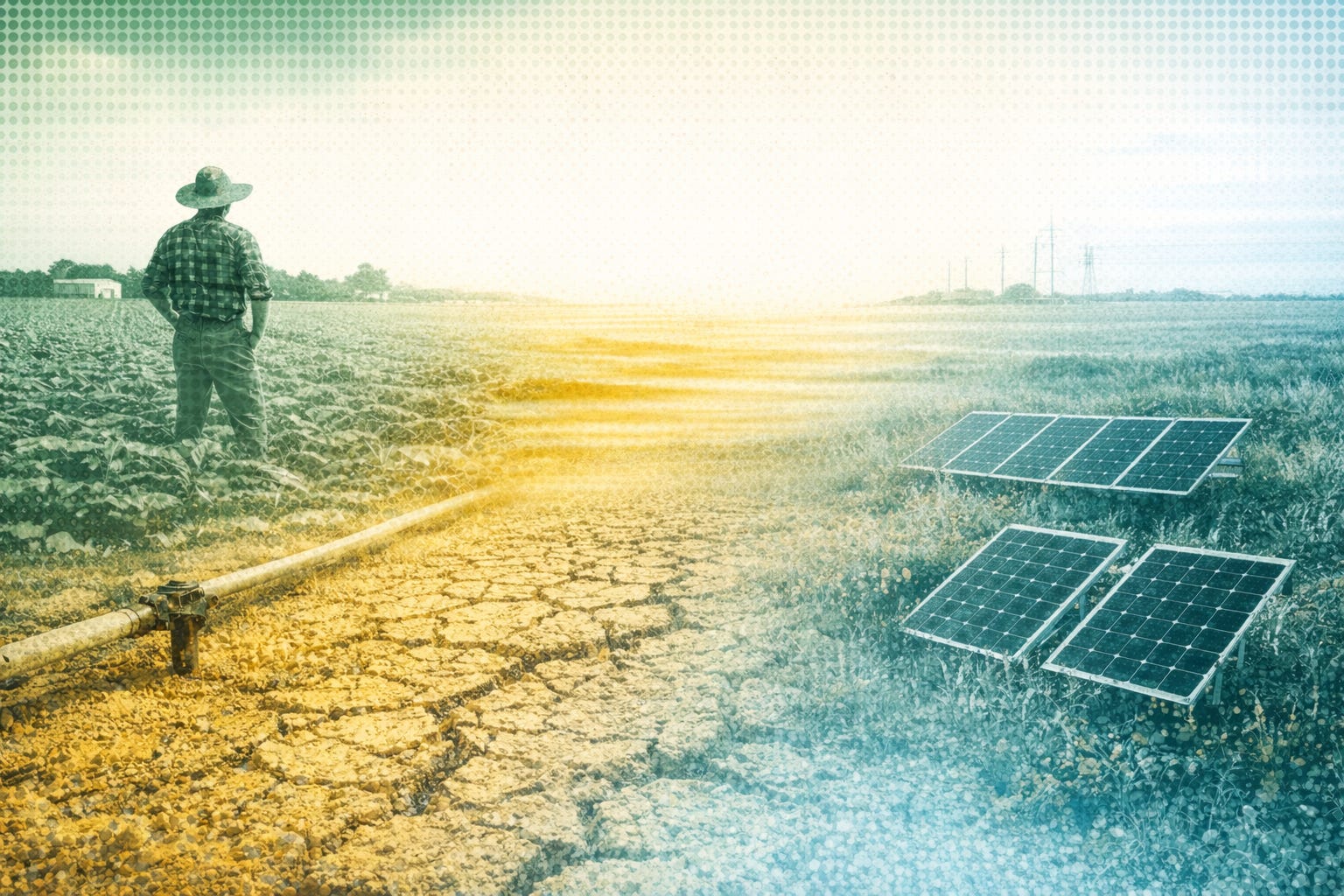
California’s farm communities are facing a structural crisis.
Water scarcity is forcing hundreds of thousands of acres of productive land into mandatory fallowing.
And for many family farmers, this means land that once sustained generations is now generating zero income.
Assembly Bill 1156, authored by Assemblymember Buffy Wicks, is a practical response to that reality. It gives family farmers a new option to keep their land productive, protect its long‑term agricultural future, and help stabilize rural communities during a period of profound transition.
The Problem
The economic consequences of forced fallowing under the Sustainable Groundwater Management Act (SGMA) are severe:
Between 500,000 and 1 million acres of farmland are projected to be forced into fallow by 2040, primarily in the San Joaquin Valley.
Fallowed land typically produces no revenue, even though farmers still carry taxes, debt, and maintenance costs.
Small and mid‑sized family farms are hit hardest, lacking the capital reserves that large operators use to absorb losses or pay steep regulatory penalties.
Under current law, farmers who want to host solar power on agricultural land often must cancel their Williamson Act contracts and pay large cancellation fees. That path is effectively closed to many family farms.
What AB 1156 Does
AB 1156 creates a narrow, carefully defined pathway for solar development on land that is already water‑constrained. This approach reflects existing realities rather than pretending fallowed land can simply return to production without water.
Why It Matters
AB 1156 is about dignity, fairness, and keeping rural California alive. The bill:
Provides a new economic lifeline. Farmers gain predictable, long‑term lease income from acres that would otherwise produce nothing.
Protects family farms. The bill levels the playing field by removing financial barriers that favor large operators.
Preserves farmland for the next generation. Unlike warehouses or permanent development, solar‑use easements allow land to revert to agriculture.
Builds stronger rural communities. Generates jobs, local tax revenue, and legally binding community benefits tied to nearby towns.
Achieves climate progress without higher prices. Using low‑value, water‑scarce land for solar supports clean‑energy goals while putting downward pressure on wholesale power costs.
At its core, AB 1156 recognizes a simple truth: forcing farmers to fallow their land and then forbidding them from using it to support their families is neither fair nor sustainable.
To contact your lawmaker in support of AB 1156, click here.